Phuket Off-Plan Villas: Where the Money Is Going in 2026
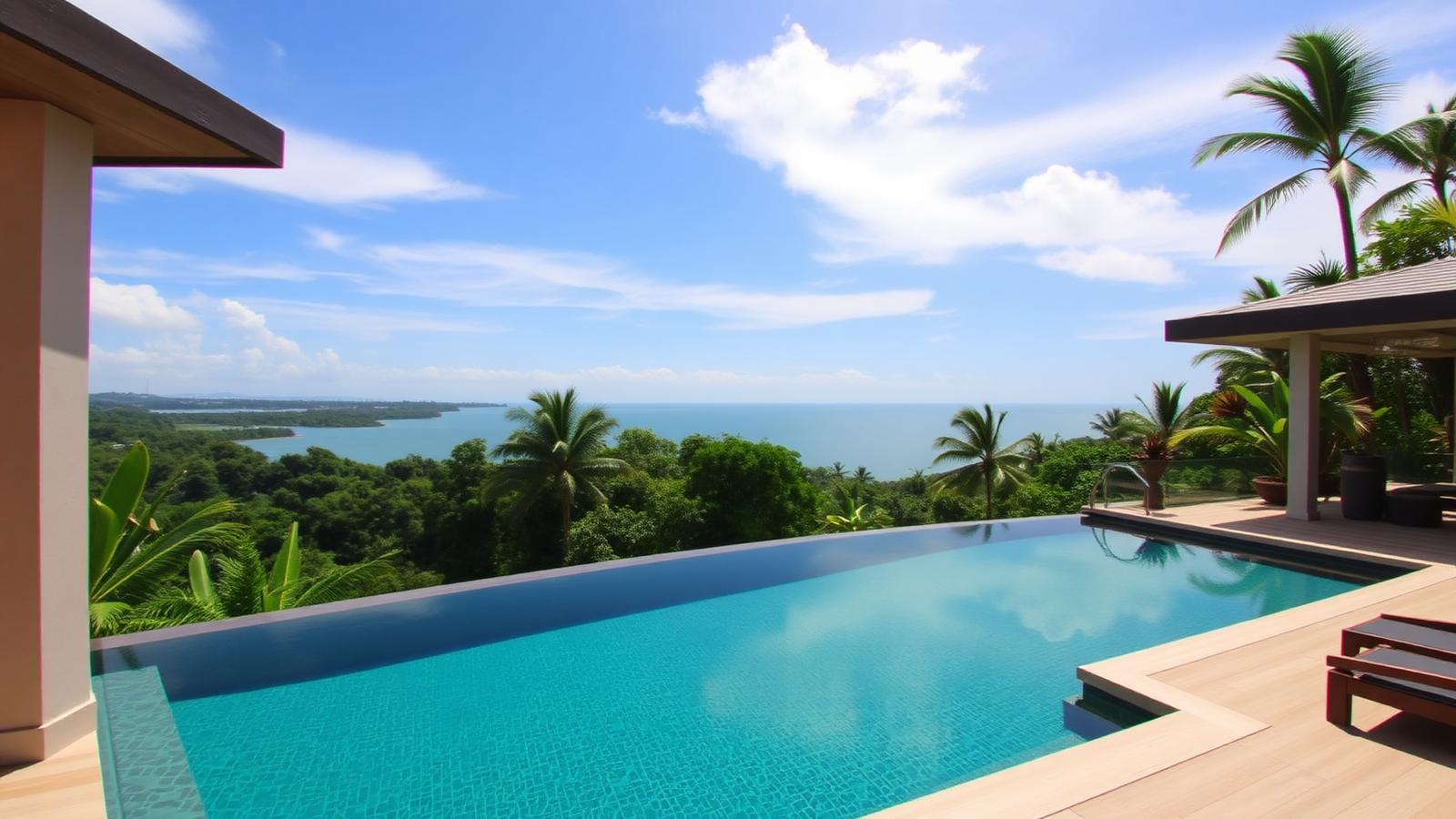
Layan, Bang Tao and Cape Yamu are absorbing most of the island's luxury villa capital. Here is how the pool-villa investment case works, and where it breaks.
Phuket has quietly become the most internationally traded resort property market in Southeast Asia. Long-haul arrivals recovered, direct flights multiplied, and a wave of long-stay residents turned what used to be a holiday market into a place people actually live.
The west coast is not one market
Layan and Bang Tao (Laguna belt) is the centre of gravity for luxury villas. Beach clubs, international schools, a genuine year-round resident community, and the strongest short-let rates on the island.
Kamala and Surin offer the classic sea-view hillside villa. Smaller plots, dramatic views, older stock alongside new launches.
Cape Yamu and the east coast trade on privacy and marina access rather than beach frontage — bigger land, quieter, and increasingly favoured by buyers who fly in and want space.
Rawai and Nai Harn in the south are the value end: lower entry prices, a strong long-stay rental market, and less short-let seasonality.
How the villa investment case works
A managed pool villa in the Laguna belt typically targets 5% to 7% gross on a short-let programme, concentrated in the November-to-April high season. That number depends almost entirely on three things: the operator, the plot, and whether the villa has a real sea or lagoon view.
Where it breaks:
- Rental pools with fixed guarantees. The guarantee is funded from your own purchase price. Look at what the villa earns in year four, not year one.
- Land title. Chanote is what you want. Anything else needs proper legal review before you commit.
- Access roads and drainage. Hillside plots look spectacular in the render. Ask what happens in September rain.
- Management fees. A 20–35% operator share on gross revenue is normal; model it before you calculate returns.
Ownership routes
Foreign buyers cannot own land in their personal name. The realistic routes are a registered 30-year lease with renewals, a Thai company structure with genuine substance, or a freehold condominium-titled villa where the development is structured that way. Each has different exit consequences — the route decides who your future buyer can be, so it matters more than most brochures suggest.
Off-plan mechanics
Phuket developers typically ask 10–30% on contract, then construction-linked instalments, with the balance at transfer. Pick your plot early: within a villa estate, the first ten plots sold are usually the ones that resell.
What we would ask a developer
- Show me the last completed project and its current resale prices.
- Who operates the rental programme, and what were the real occupancy figures last season?
- What exactly is included at handover — landscaping, pool equipment, furniture, appliances?
- What is the land title, and what is the lease renewal mechanism in writing?
We ask these before we ever put a project in front of a buyer, and we are paid by the developer, so the shortlist costs you nothing and carries no markup.
Tell us your budget and whether you are buying to use, to rent, or both — we will match you to the estates that actually fit.